Built by a crew that already works on the water.
Bahamas Reef Works is a programme of Hammerhead Construction Co. Ltd., a Nassau general contractor with its own concrete, masonry, steel-cutting and welding crews, a plant fleet through Mako Machine Rentals, a record of dock and waterfront work, and certified divers who grew up diving these waters.
Bahamas Reef Works puts structure back in Bahamian water.
We take the derelict vessels sinking at our docks and turn them into reefs. We cast reef modules in Nassau and set them where fish and divers can reach them. We moor the FADs that let small boats fish offshore all year.
Every job is built by Bahamian crews, surveyed by Bahamian divers, and handed to the people who fish and dive it. The point is simple: cleaner harbours, more fish, and less pressure on the reefs we already have.
In support of a stronger, cleaner, more sustainable Bahamian fishery.
Prepared for the Ministry of Agriculture and Marine Resources and the Department of Marine Resources, in support of the Government of The Bahamas and its work towards a stronger, cleaner and more sustainable fishery and marine environment. It is proposed as a public-private partnership: Government owns the programme and sets the priorities, and a Bahamian crew that already works on the water is contracted to get it built, paid on milestones. It brings a Nassau contractor's crew, plant and yard to three jobs the Government already wants done: derelict vessels out of the harbours, habitat back on the shelf, and the offshore fishery given a fixed mark again.
Harbours cleared
Every derelict steel hull reefed is one less going down at the quay with fuel aboard, and one less salvage bill for the Treasury.
Habitat, nurseries, and pressure off the real reef
Two hundred Reef Ball modules and two prepared wrecks add hard, hollow habitat where there was sand: nurseries for grouper, snapper and lobster, and new sites that draw divers and fishers away from the natural reef near town.
Effort moved offshore
A year-round FAD line moves fishing effort from pressured reef fish to migratory pelagics, cuts fuel, and gives small boats a safer, charted mark.
Built and crewed here
Cast in Nassau, placed from a Nassau barge, surveyed by Bahamian divers, monitored with BAMSI and University of The Bahamas students. The skills and the data stay in the country.
A public-private partnership that gets it built.
Government owns the programme and sets the priorities. Reef Works is contracted to deliver it, with the project management and the plant to do it, and is paid against milestones that can be seen on the bottom and on the chart.
The mandate
The derelict-vessel list, the Department of Marine Resources as programme owner and single point of contact, approvals on one timetable across the Fisheries Act, DEPP and the Port Department, site designation, the fisher rules, and funding against milestones.
The delivery
A named programme manager, a written programme, weekly site reporting and monthly valuations the Department can check line by line. Our own crane barge, certified divers, casting yard, crews and plant. Delivery to published standards: EPA/MARAD for vessels, Reef Ball for modules, SPC/CRFM for FADs.
What lands
A vessel sunk and charted. A module field placed and surveyed. A FAD on station and lit. Government pays for results; the plant, the crews and the weather risk sit with us.
A working programme, not a report
Charts, clearances, positions, monitoring data and a Phase 2 plan with a schedule of rates, so the Department ends the year owning something it can extend island by island.
Concrete, steel, roofs, docks, and the water.
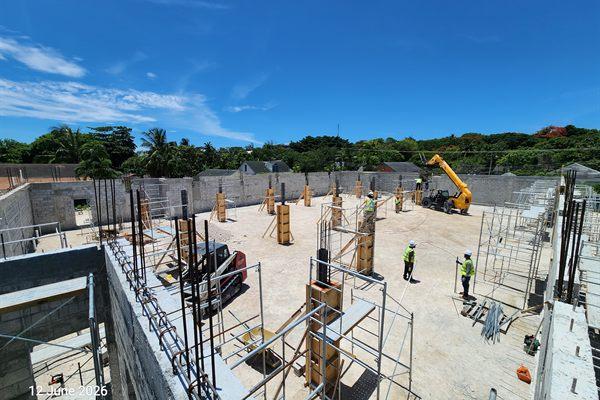
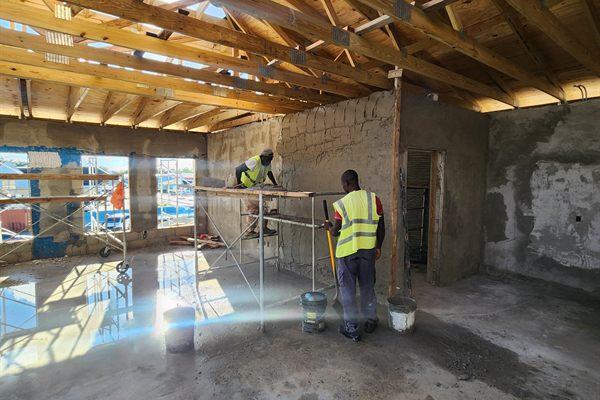
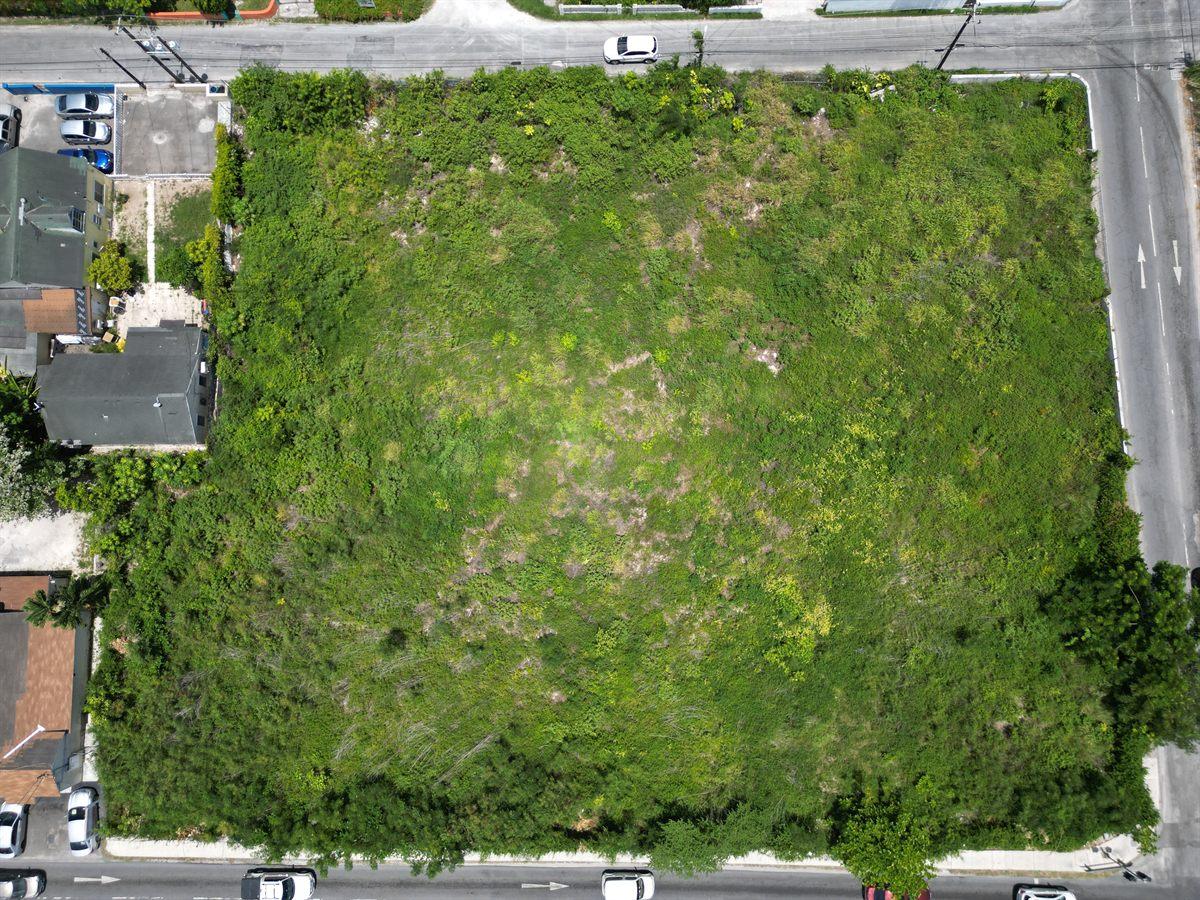
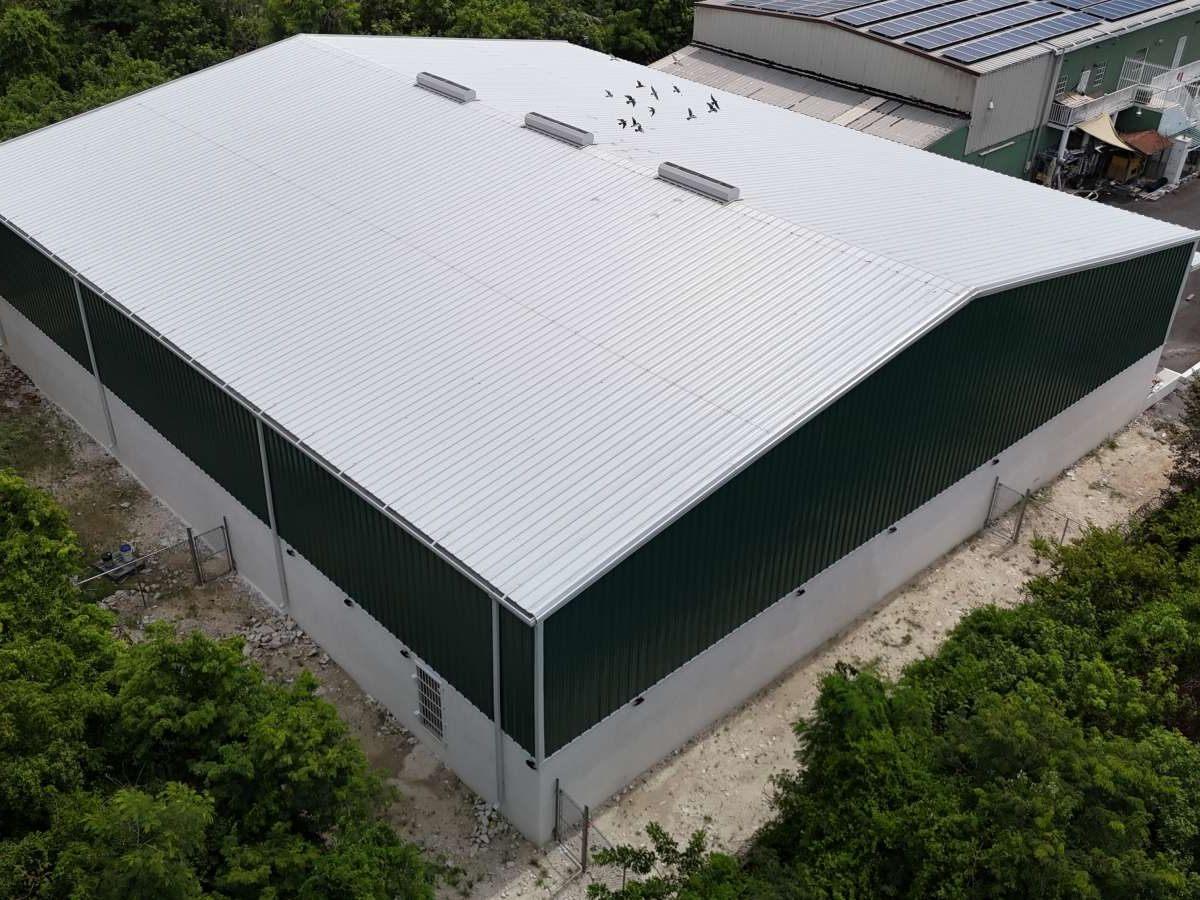
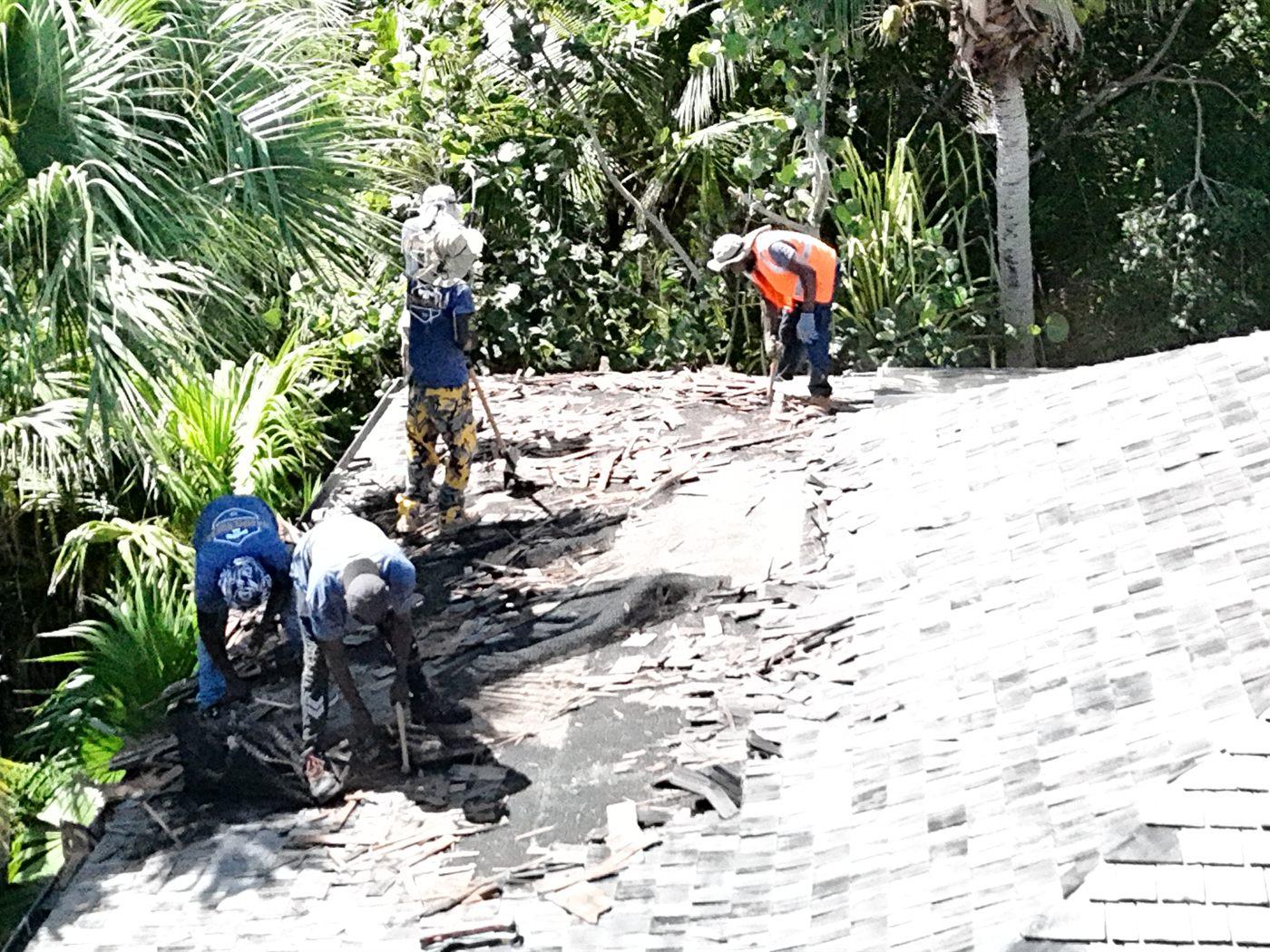
Hammerhead builds across New Providence and the Family Islands: the John's Department Store building on Sixth Terrace, the Restaurant Supply warehouse on East Street South, Royal Island, Harbour Island, Old Fort Bay. The same crews cast the modules, cut the hulls and run the barge.
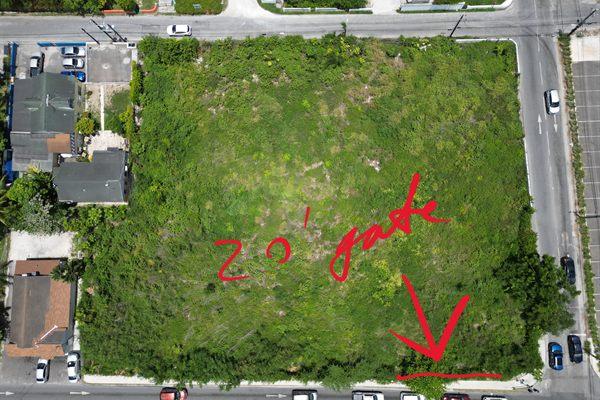
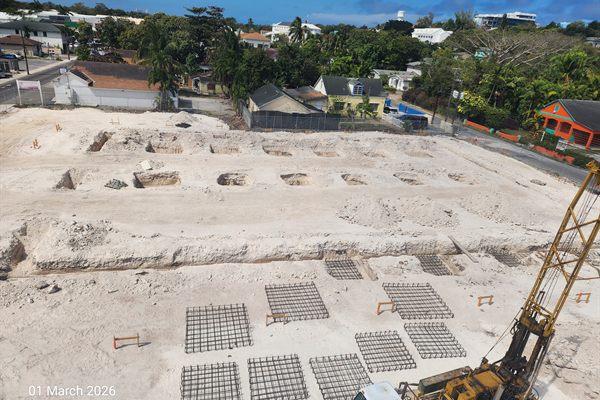
Sixth Terrace, Nassau: the John's Department Store building from lot to roof, December 2025 to October 2026. Time-lapse from Hammerhead's drone.
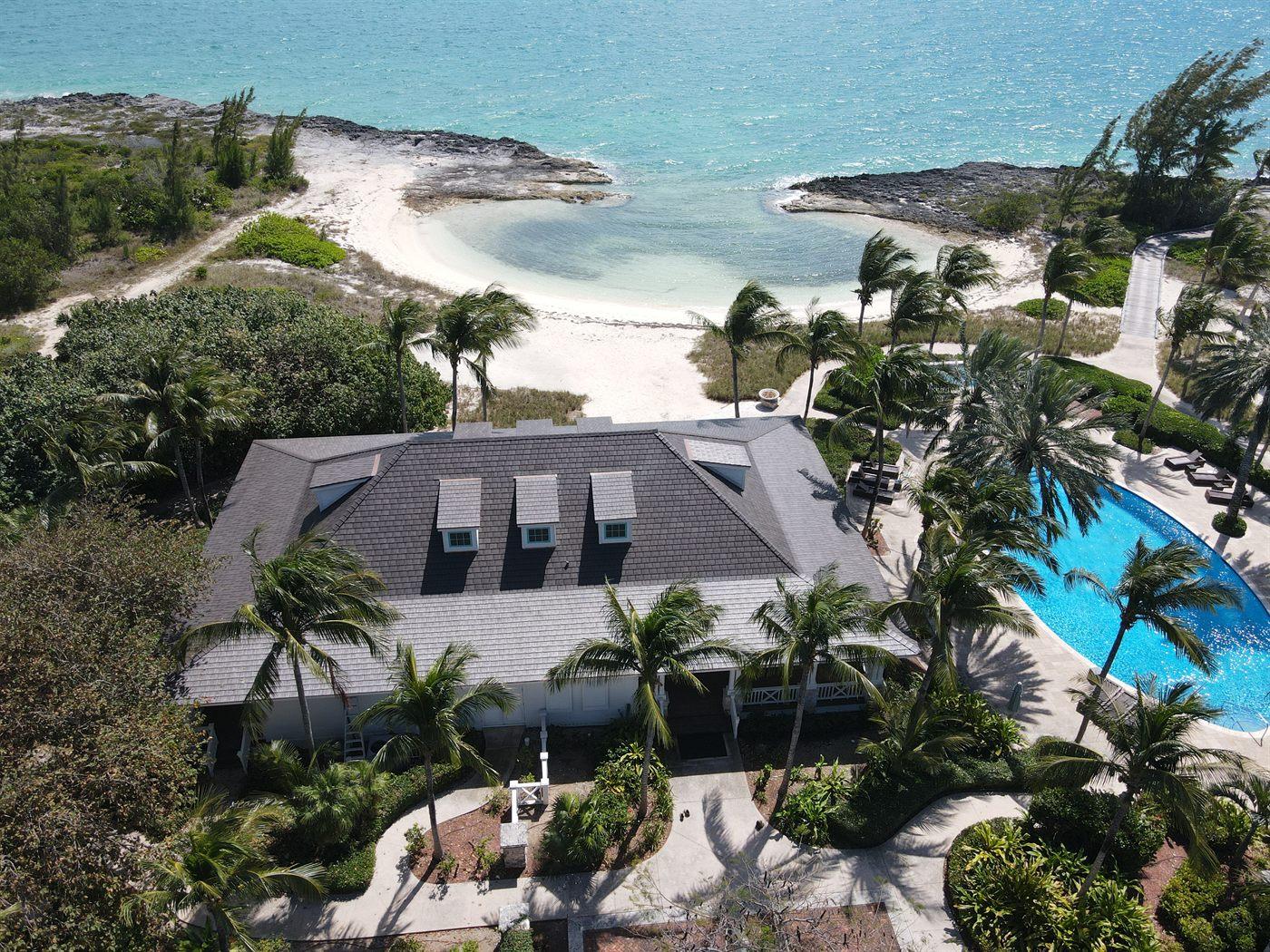
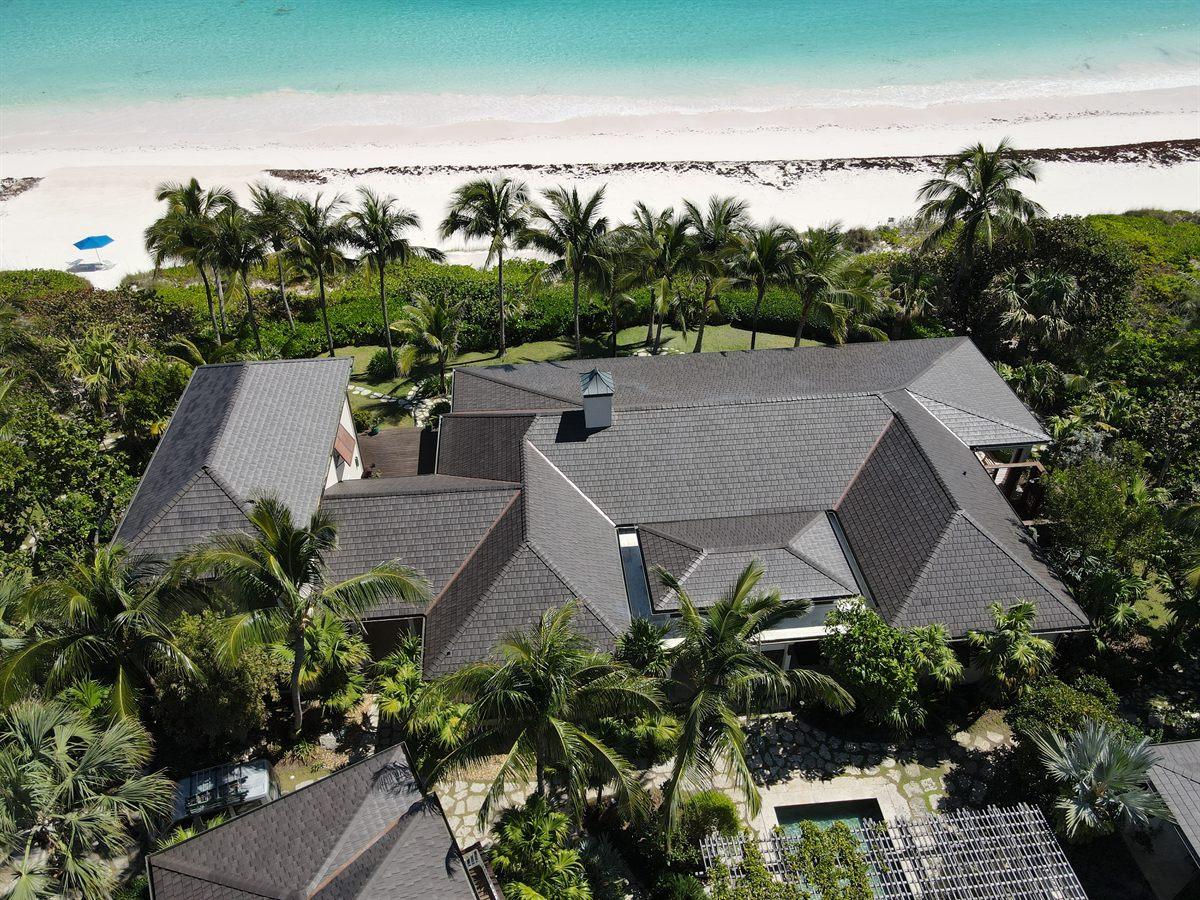
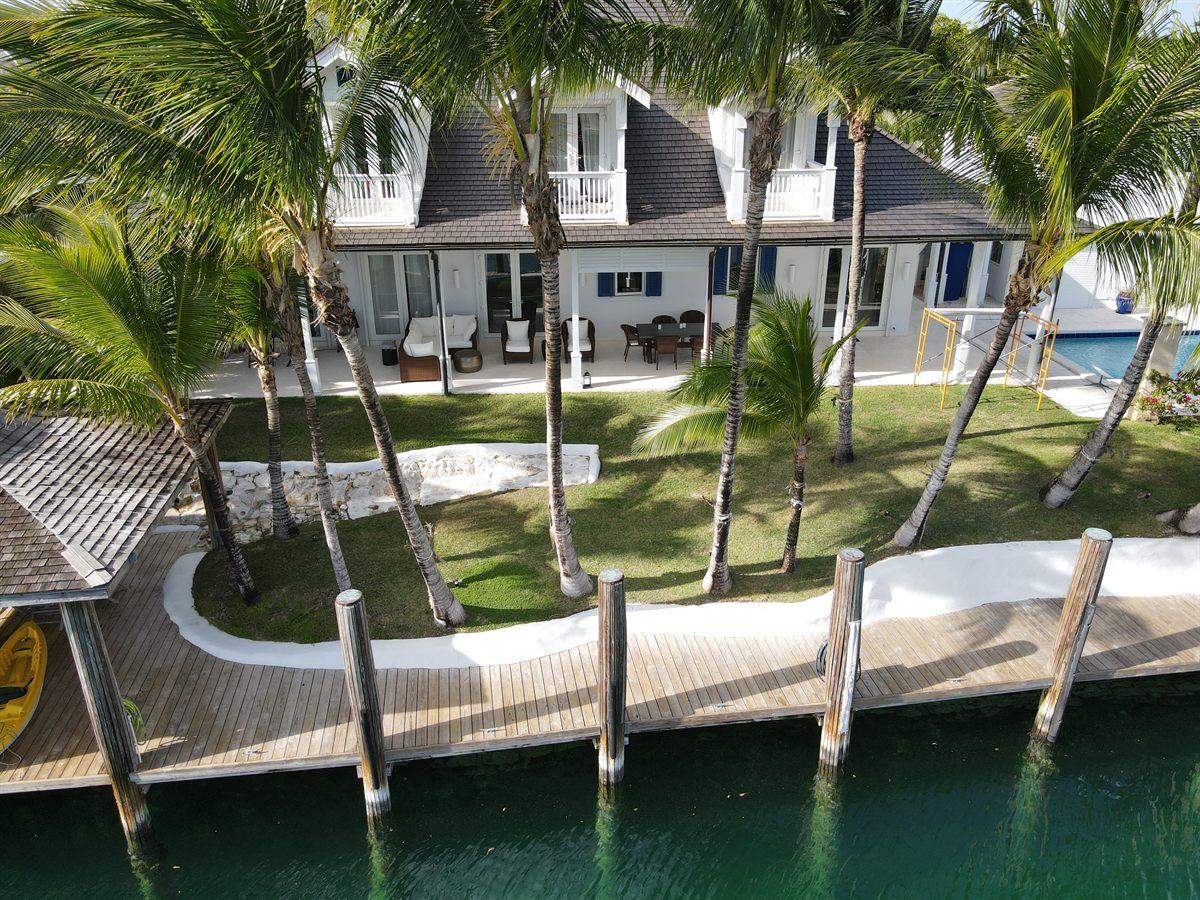
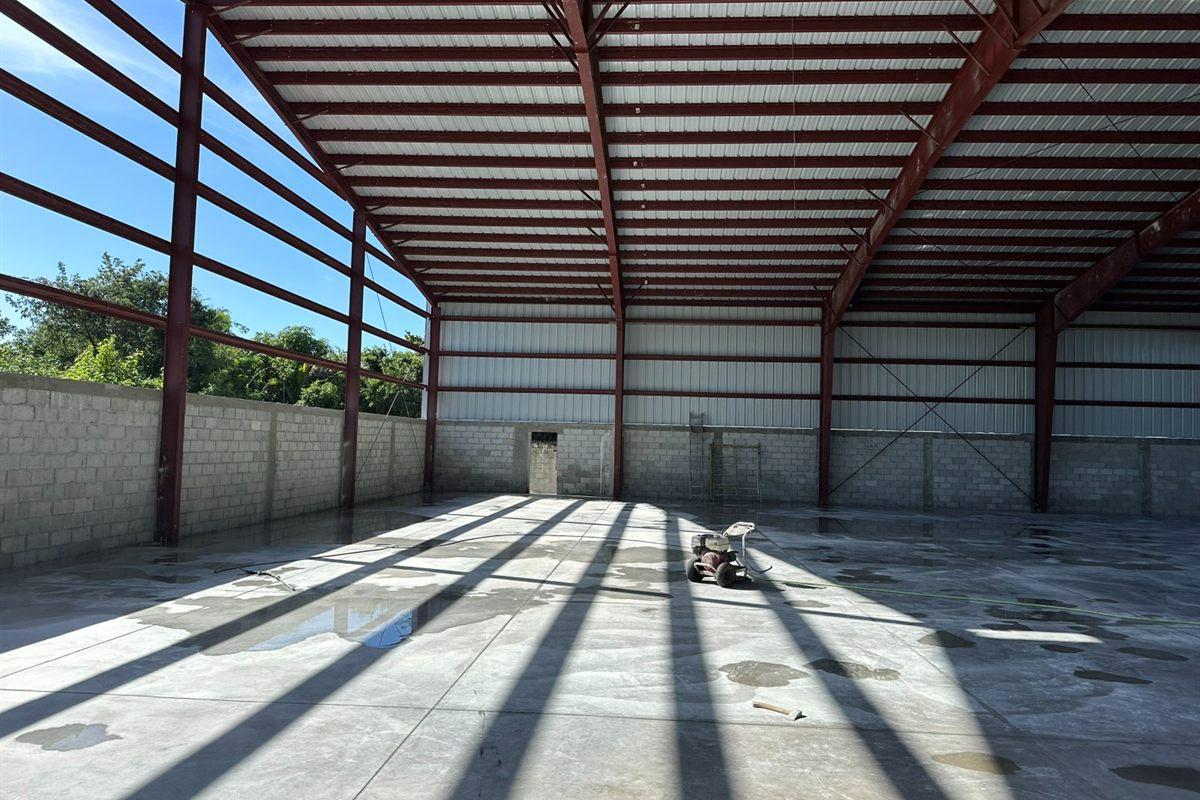
A small marine spread, all of it ours.
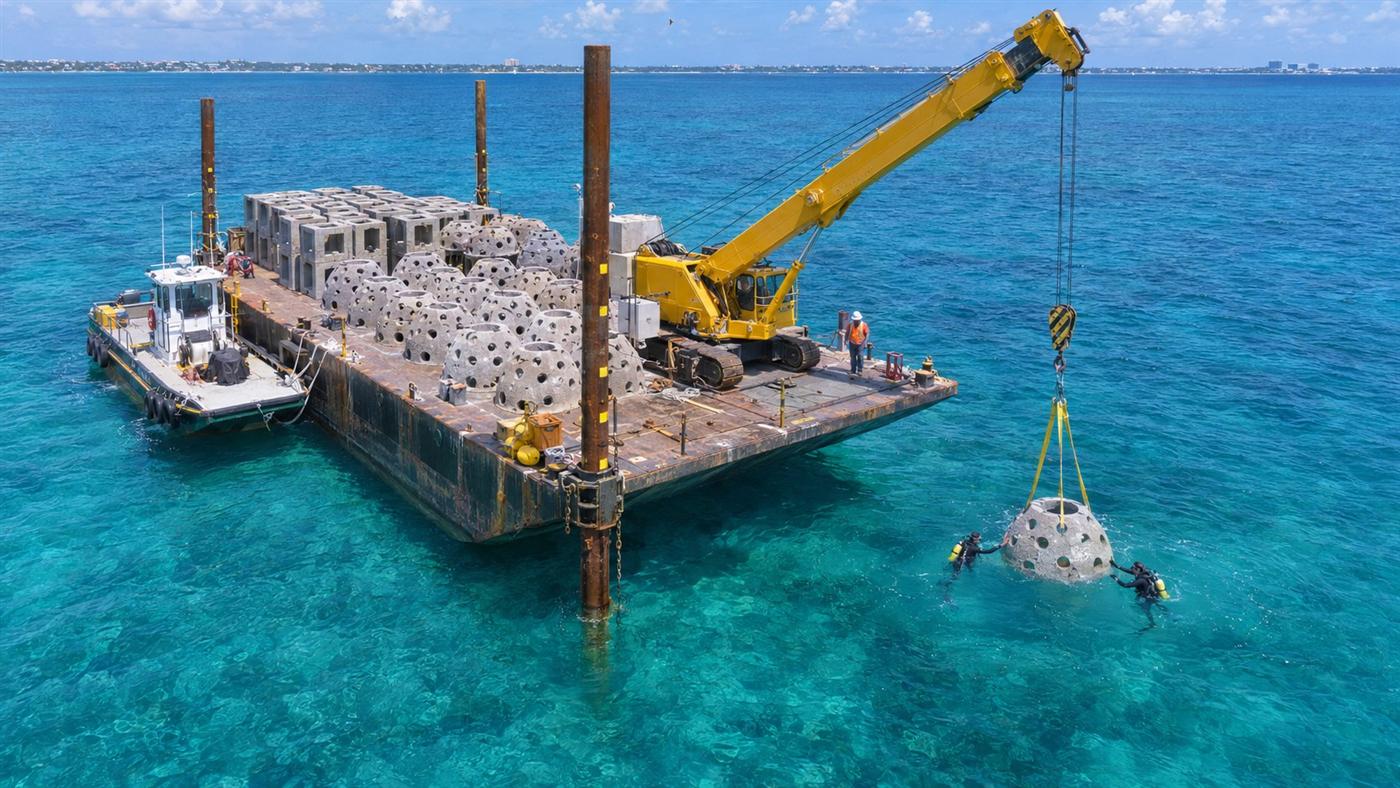
Our own crane barge
A spud barge with a 10-ton crane, based in Nassau and crewed by us. Lifts a module, a FAD anchor or the machinery out of a Class 1 vessel, spuds down on the site while the divers work, carries the pumps and ballast on sinking day.
Certified divers on staff
Commercial-certified divers who already build underwater for a living. Every module and every wreck is surveyed by the people who put it there. The company president leads the marine work personally.
Concrete and steel in house
Reef Ball moulds in our own yard, lift bags to 5 t, dive compressor and surface-supply rig, trash pumps, underwater cutting kit, side-scan sonar, a 31 ft support boat. Nothing waits on a supplier overseas.
Mako Machine Rentals
Excavators, telehandlers, backhoe, boom and scissor lifts, trucks: the plant fleet behind the yard and the dock.
Partners
- A licensed marine surveyor for condition, stability and scuttling plans.
- A Bahamian environmental consultant for DEPP clearance and the environmental management plan.
- A marine chemist for gas-free certification; a licensed waste-oil contractor; a hazardous-waste export broker.
- Nassau tug and push-boat operators for the barge moves and the dead-ship tows; a hydrographic survey vessel for site selection and clearance surveys.
- Coral restoration: the Perry Institute's Reef Rescue Network, the Bahamas Coral Innovation Hub at Cape Eleuthera, Coral Vita, BREEF.
- Monitoring: BAMSI and the University of The Bahamas, with BTVI welding and commercial-diving students placed on the programme.
Who signs what.
Hammerhead prepares and lodges every package. Nothing goes in the water without the Minister's written approval, DEPP clearance and the Port Department's permission and charting.
| Approval | Agency | Basis |
|---|---|---|
| Vessel title and deletion | Port Department registry or Bahamas Maritime Authority | Before a vessel is sunk; derelict-vessel authority where no owner can be found |
| Permission to sink, Notice to Mariners, charting | Port Department | Exclusion zone on the day; position and clearance depth reported for charting |
| Hazardous-waste export | DEPP and Customs | Asbestos and PCB waste manifested and exported |
| Written approval to place an artificial reef | The Minister, through the Department of Marine Resources | Fisheries Act, 2020: no artificial reef without the Minister's written approval; the Act also provides for artificial-reef regulations |
| Environmental clearance and management plan | Department of Environmental Planning and Protection | Environmental Planning and Protection Act, 2019; programme EMP plus site screening |
| FAD registration and co-management rules | Department of Marine Resources | Register, publish positions, adopt CRFM-style rules agreed with the fishers |
From notice to proceed to handover.
Heavy marine days, tows, sinkings, placement and buoy drops, are planned for the summer weather window.
Set up
Harbour walk with the Port Department and the first vessel acquired and surveyed. Approvals lodged, environmental consultant engaged, side-scan and dive surveys of candidate sites, fisher workshops in Nassau and the Family Islands. Yard laid out, moulds in rotation, FAD anchors cast, moorings assembled.
Cast, strip, deploy
Vessel 1 stripped, cleaned, certified gas-free and cut. Vessel 2 acquired and surveyed. FADs deployed as approvals and weather allow. 200 modules cast.
Sink and place
Vessel 1 towed and sunk; modules placed at site 1 then site 2; baseline monitoring dives.
Second vessel
Vessel 2 stripped, cut, towed and sunk. FAD inspection round. Coral out-planting where taken up.
Hand over
Quarterly monitoring. As-built charts and clearance depths lodged. Data package, lessons and a Phase 2 plan handed to the Department of Marine Resources, with a schedule of rates so vessels, modules and FADs can be added island by island without a new procurement.
What a reef lets you add.
Moorings for seagrass and reef
Phase 2: helix-anchor mooring fields in the anchorages where boats drop on grass and coral today, derelict moorings and ghost gear out, propeller scars re-planted. Keeps anchors out of the meadows the national blue-carbon programme is built on.
Coral restoration
Staghorn on tree frames, brain and star corals microfragmented on plugs, all out-planted onto the modules.
Dive trail
A marked route between modules and wreck for the operators, with moorings so nobody anchors on it.
Lobster casitas
Low slab shelters on the sand between fields, the kind the fishers already know work.
School counts
Students on the survey boat counting fish with our divers, three times a year.
Harbour clean-up
The same barge, lift bags and crew clear the fibreglass and wooden hulks that cannot be reefed.
Living shorelines
The same casting line produces breakwater and shoreline units for eroding Family Island settlements.
Sponsorship
Adopt-a-module, memorial and corporate sponsorship of modules and vessels, as Reef Ball programmes run elsewhere.
Training and jobs
Casting, rigging, cutting and diving work for Bahamian crews, with BTVI students placed on the programme.
Talk to the crew.
Government, fishing co-ops, dive operators, resorts with a reef to build or a hull to lose. Tell us what you have and we will tell you what it takes.